Earth Day Magic at Gallatin Valley Festival
 0
0
 0
0
laurensgoodfood.com – Earth Day in Gallatin Valley turned into far more than a date on the calendar; it became a full‑scale celebration of community, creativity, and climate awareness at the Gallatin County Fairgrounds. Crowds drifted between tents, stages, and food trucks, each corner offering a new way to connect with the planet and with one another. From sunrise volunteers to sunset musicians, the entire fairgrounds buzzed with a hopeful energy that felt contagious.
What made this Earth Day festival special was not only the sheer number of activities but the way every element pointed back to a single question: how do we live better on this shared home? Families tested solar gadgets, students debated climate policy, elders swapped gardening wisdom, while local artists and advocates turned environmental concern into something tangible, practical, and even fun.
A Community Earth Day Celebration Comes Alive
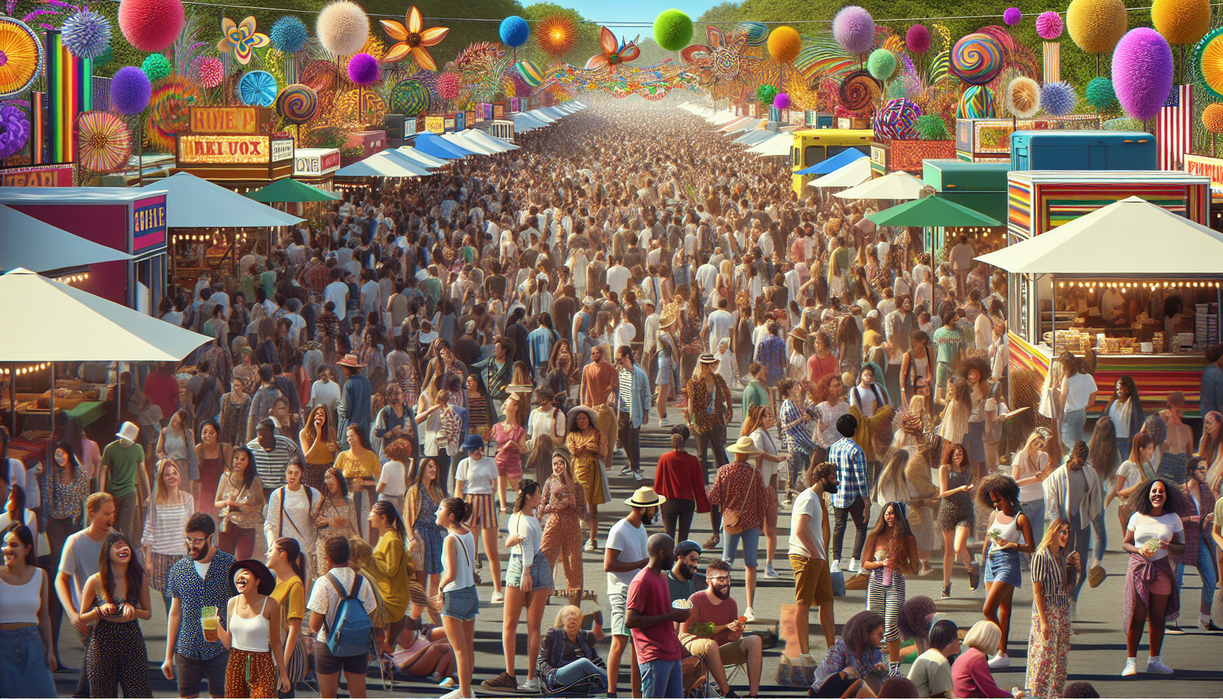
Stepping through the entrance of the Gallatin County Fairgrounds on Earth Day, visitors were greeted by a swirl of color, music, and conversation. Booths lined the walkways with banners about wildlife, clean energy, and waste reduction. Children darted between craft tables carrying painted rocks, seed bombs, and hand‑drawn posters that proudly declared their love for the planet.
Live music floated across the grounds, wrapping the festival in a relaxed, upbeat mood. Local bands moved from folk to bluegrass to mellow rock, creating a soundtrack that matched the day’s hopeful tone. It was easy to wander, snack in hand, from a solar demonstration to a composting display while a fiddle tune or guitar riff followed in the background.
Food trucks anchored one side of the fairgrounds, offering everything from wood‑fired pizza to plant‑based tacos. Many vendors highlighted local ingredients, compostable containers, or reusable dishware programs. That simple act—eating lunch under a big Montana sky while listening to a speaker dissect climate policy—turned Earth Day into a sensory experience, not just an abstract cause.
Talks, Workshops, and Hands‑On Learning
One of the strongest threads through this Earth Day festival was education in motion. Instead of dry lectures, presenters focused on stories, demonstrations, and direct engagement. A climate scientist broke down recent data through everyday metaphors, while a local farmer described how shifting seasons affect soil, water, and crop decisions. Attendees listened from hay bales and folding chairs, many scribbling notes or snapping photos of slides.
Workshops invited people to roll up their sleeves. Kids learned to build simple bird feeders from reclaimed materials and left with a new sense of responsibility toward backyard wildlife. Adults tried their hand at bike repair or discussed how to electrify older homes without breaking the bank. These sessions carried a clear message: Earth Day is not a once‑a‑year performance; it is a gateway to daily habits and long‑term projects.
What struck me most was the balance between urgency and encouragement. Speakers did not sugarcoat the reality of climate change or habitat loss. Yet they framed solutions as a community journey rather than a checklist of individual guilt. That approach transformed anxiety into curiosity. People did not simply nod along; they lingered afterward, forming circles of conversation about carpool programs, neighborhood gardens, or advocacy campaigns.
Why This Earth Day Festival Truly Matters
At first glance, an Earth Day festival can look like any weekend fair—music, food, crowds, kids laughing near the bounce house. Yet the Gallatin Valley gathering showed how celebration can fuel serious change. It created a place where climate science sat next to local art, where practical tools like energy audits shared space with poetry about rivers and mountains. That mix turns environmental care into culture, not just policy. For me, the most powerful image was a group of teenagers clustered around a solar panel display, arguing excitedly about engineering careers while a nearby elder explained how snowpack has shifted over decades. Those cross‑generational moments hint at what real progress requires: shared stories, shared spaces, shared commitment. When we treat Earth Day as a living conversation instead of a ceremonial checkbox, we leave the fairgrounds carrying more than brochures—we carry a renewed sense of agency. In a world saturated with climate headlines, that feeling of “we can still shape this” might be the most precious resource the festival generates.