
Sicily Tourism: Slow Journeys in Belìce Valley
 0
0
 0
0
laurensgoodfood.com – Sicily tourism often brings to mind crowded beaches, whirlwind bus tours, hurried snapshots of baroque churches. Yet a quieter, richer version exists for curious travelers ready to slow their pace. The Belìce Valley, together with its UNESCO Geopark, offers a different rhythm, where landscapes tell stories of earthquakes, resilience, vineyards, and ancient stones. Here, movement feels measured, intentional, almost meditative.
Instead of rushing from Palermo to Taormina, you can pedal along country roads, pause at family-run wineries, then wander through ghost towns shaped by time. Sicily tourism is evolving toward sustainability, local connection, deeper meaning. This corner of the island turns a simple cycling route into a journey through geology, history, food culture, and personal reflection.
Sicily Tourism Through the Lens of Slow Travel
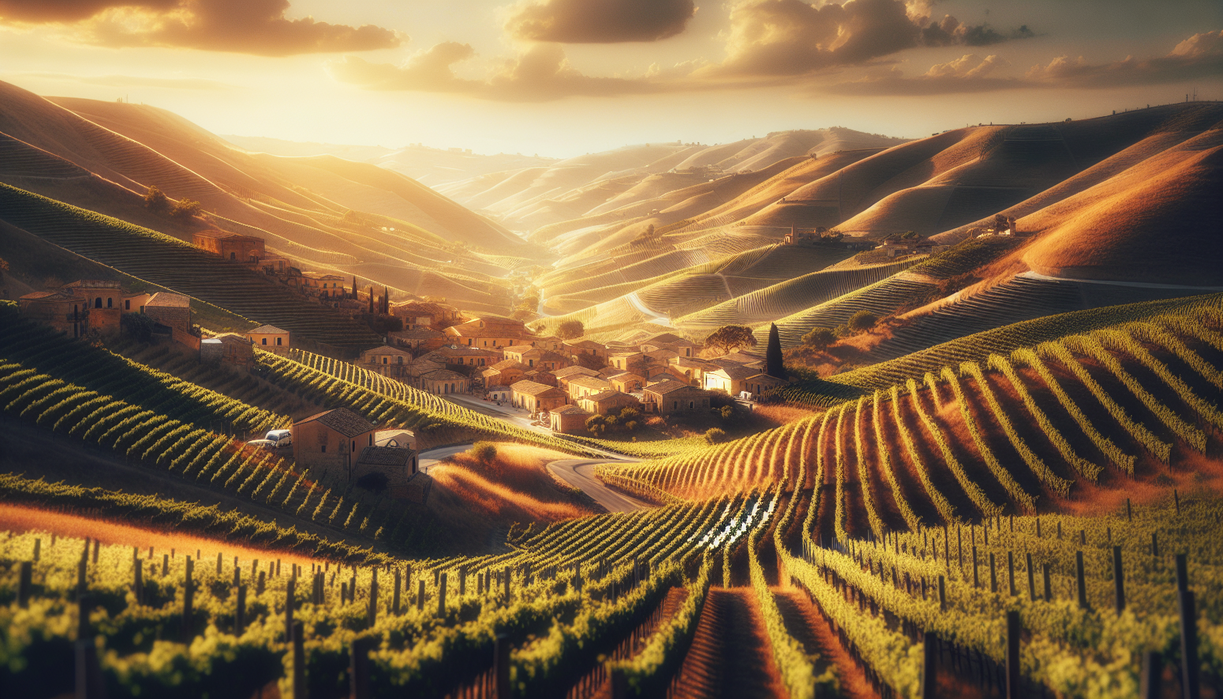
Slow travel has become a quiet revolution inside Sicily tourism. Rather than ticking off landmarks, visitors choose fewer places, longer stays, deeper encounters. The Belìce Valley embodies this approach perfectly. Gentle hills, quiet provincial roads, small villages, all invite you to reduce speed. Even the light seems to move slower over wheat fields, olive groves, vineyards.
Cycling here reshapes your sense of distance. A route between two villages turns into a moving viewpoint over canyons, farms, wildflowers. Instead of watching scenery blur behind glass, you hear goat bells, smell soil after irrigation, feel wind change from one valley to the next. Tourism becomes less about consumption, more about presence.
Local communities benefit from this shift as well. Families running agriturismi, bakers, cheesemakers, small museums gain visitors who stay longer, spend thoughtfully, ask questions. Sicily tourism, often dominated by cruise ships and big resorts, finds a more balanced model here. One grounded in local economies, respect for landscapes, genuine exchange between residents and guests.
Cycling the Belìce Valley and UNESCO Geopark
Pedaling through the Belìce Valley introduces you to a landscape shaped by time and tremors. The 1968 earthquake changed this territory forever, leaving ruins, new towns, emotional scars. Today, cycling routes weave past abandoned villages, modern settlements, terraced vineyards, eroded hillsides. Every turn offers both beauty and memory.
The nearby UNESCO Geopark reveals another layer of story. Protected geological sites showcase ancient seabeds, fossil-rich rocks, dramatic gorges carved by patient rivers. Guides often explain how these formations influence current agriculture, water resources, settlement patterns. Sicily tourism usually highlights beaches and baroque art; here you discover deep time, written into stone.
From a personal perspective, traveling by bike through the Geopark changes how you perceive effort. Long climbs mirror historical struggles, gentle descents carry relief. Short stops at viewpoints encourage quiet contemplation. You stop not only for photos, but to sense how humans adapted to a complex terrain. The journey becomes a dialogue between your body, the land, and stories embedded under your wheels.
History, Memory, and Human Stories
No exploration of Belìce Valley feels complete without confronting its history. Ghost towns like Poggioreale Vecchia or the ruins near Gibellina are open-air archives of loss and reinvention. Walls cracked by the earthquake stand beside modern art installations, experimental architecture, bold cultural projects. Sicily tourism here serves as witness, not just entertainment. Walking through empty streets, you sense the weight of interrupted lives, yet also the creativity that followed. Locals often speak of pain, but also of pride, using culture, wine production, contemporary art to transform trauma. As a visitor, you reflect on resilience, on how disasters reshape identity, on your own assumptions about progress and preservation. Such encounters remain long after beaches fade from memory.
Sustainable Experiences Beyond the Usual Itinerary
Sicily tourism sometimes struggles with overcrowding, seasonal peaks, pressure on infrastructure. The Belìce Valley proposes another path. Here, sustainability lives through scale: smaller accommodations, shorter supply chains, low-impact mobility. Choosing a cycling trip automatically reduces emissions, while extended stays lower the ratio of travel footprint to time on site.
Food becomes a key part of this sustainable story. Many agriturismi source vegetables from their gardens, olive oil from nearby groves, wine from surrounding hills. You taste tomatoes grown in the same soil you rode past earlier that day. Conversations at dinner often include weather patterns, harvest challenges, water scarcity, local attempts at adaptation. Tourism thus becomes a classroom where you learn about climate, not from reports, but from the people whose livelihoods depend on it.
Waste reduction initiatives, refillable water stations, encouragement for reusable bottles and panniers further support a more responsible style of travel. You notice details: recycled materials in renovated farmhouses, solar panels on roofs, organic certifications on labels. Even small gestures, repeated across many travelers, create cumulative impact. Sustainable Sicily tourism is less about grand slogans, more about daily choices aligning comfort with care for the territory.
Local Culture, Everyday Life, and Authentic Encounters
Slow journeys through the Belìce Valley reveal a cultural life often invisible on standard tours. Instead of quick photo stops, you might join a Saint’s day procession, watch old men play cards under a plane tree, listen to heated discussions in a village square. The rhythm of everyday life becomes part of your itinerary.
Workshops offer deeper immersion. You may learn to bake pane nero with ancient grains, observe ricotta production at dawn, or participate in harvest activities if timing aligns. During these moments, barriers dissolve slightly. You move from spectator to guest, sometimes even to temporary collaborator. Sicily tourism focused on numbers rarely creates such intimacy.
From my perspective, these small-scale encounters carry more meaning than any grand monument. A shared espresso in a modest bar, a spontaneous invitation to taste homemade limoncello, a story about a family member who emigrated decades ago; these fragments reveal the emotional geography of the valley. Travel becomes less about compiling highlights, more about collecting human connections that reshape how you see both Sicily and your own home.
Practical Tips for a Thoughtful Sicilian Escape
Planning a slow itinerary through the Belìce Valley requires intention, yet rewards you generously. Choose shoulder seasons to avoid heat and crowds, book locally owned stays, prioritize cycling or walking over rental cars whenever possible. Engage guides from the area for both the UNESCO Geopark and historical sites; their insights will anchor your experience in lived realities, not just facts. Learn a few Italian phrases, respect siesta hours, support small cooperatives rather than large chains. Most importantly, allow space in your schedule for detours, conversations, unplanned discoveries. Sicily tourism becomes transformative when you trade urgency for curiosity, checklists for genuine encounters, mere consumption for reciprocal exchange. You leave not just with photos, but with questions, gratitude, and a quieter understanding of what responsible travel can mean.
A Reflective Farewell to the Belìce Valley
After days spent cycling among vineyards, ruined villages, and sculpted hillsides, departure from the Belìce Valley feels strangely emotional. You arrive expecting a pretty rural landscape; you leave having traced fault lines of both earth and memory. The region’s layered story stays with you, altering how you view other destinations sold through glossy brochures.
Sicily tourism often markets sun, sea, baroque splendor. This valley shows another face: one shaped by fragility, perseverance, quiet innovation. Experiencing the UNESCO Geopark, tasting local wines, hearing earthquake narratives from residents, you begin to grasp how tourism can either deepen or flatten a place’s identity. Slow approaches favor depth, complexity, honest storytelling.
Reflecting on the journey, you might realize the most valuable souvenir is a new travel ethic. You recognize your role not only as consumer, but as guest with responsibilities. Future trips, whether back to Sicily or elsewhere, may carry echoes of Belìce’s gentle roads, its resilient people, its patient landscapes. In that sense, this small valley leaves a large imprint, nudging Sicily tourism toward a future where wonder, respect, and sustainability share the same path.