
Hotel News: The Vinoy’s 100-Year Comeback
 0
0
 0
0
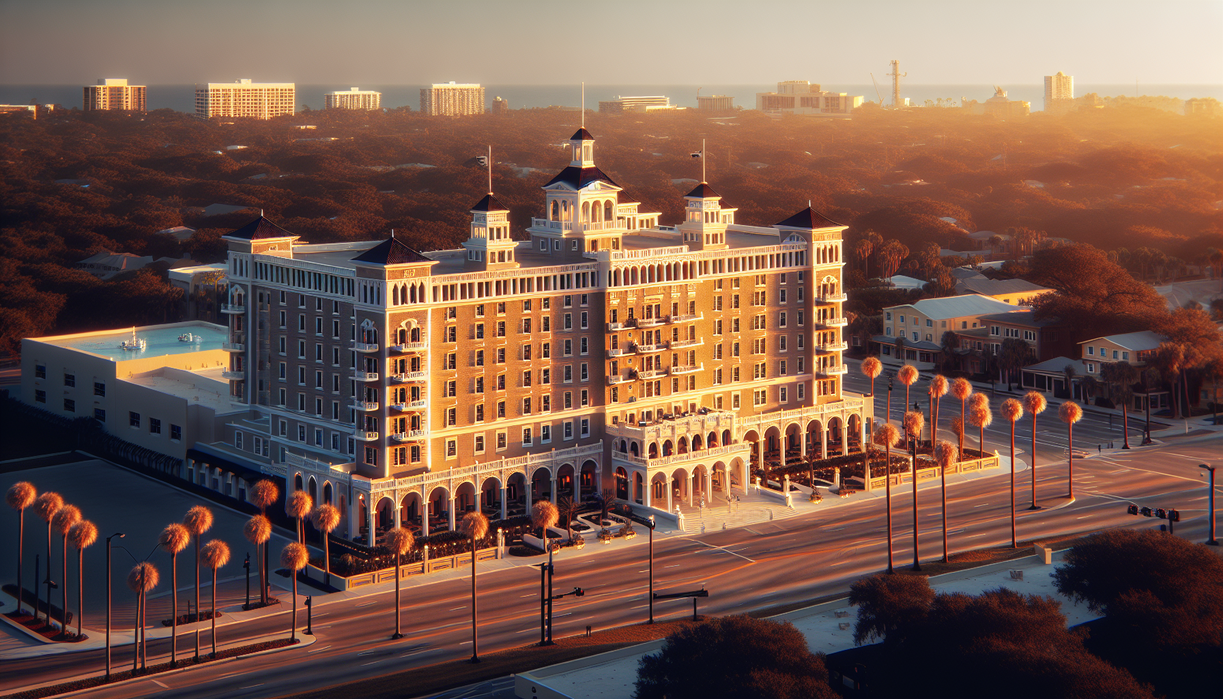
laurensgoodfood.com – Hotel news often zooms in on flashy openings, yet the most compelling stories usually belong to properties that endure. The Vinoy Resort in St Petersburg, Florida, offers a rare chance to trace a full century of style, struggle, and reinvention. Its pink Mediterranean Revival façade has watched the city shift from quiet Gulf retreat to artsy urban destination, all while fighting to stay relevant. This is not just another resort refresh; it is a living timeline of American travel culture pressed into stucco and tile.
As hotel news headlines chase the next big brand or tech upgrade, The Vinoy’s revival reminds travelers why legacy properties still matter. Here, 1920s glamour collides with modern expectations of comfort and design. Guests sip cocktails where jazz bands once played for tycoons, then walk out to a buzzing waterfront lined with galleries, restaurants, and parks. The result feels like a conversation between past and present, instead of a nostalgia exercise or a full reboot.
A 1925 Sensation On Florida’s Gulf Coast
When The Vinoy opened in 1925, Florida’s land boom had reached fever pitch. Wealthy northerners craved winter playgrounds, so St Petersburg seized its moment. The new hotel towered over the waterfront with soaring arches, ornate towers, and terra-cotta tiles. Its salmon-pink exterior radiated confidence, like a movie star stepping onto a red carpet. Back then, hotel news coverage framed it as both social hub and status symbol. Arriving here declared you had made it, or at least wanted to appear that way.
Inside, guests discovered grand public spaces designed for lingering, not rushing. Vast lobbies encouraged conversation, card games, and people-watching. Smoke curled from cigars as jazz floated through the air. Staff arranged fishing excursions on the bay, tea dances, and lavish dinners. Travel relied on trains and steamships, so visitors lingered for weeks rather than nights. The Vinoy became a seasonal village, with friendships and rivalries renewing each winter.
Those early decades shaped the property’s DNA. Even today, when you cross the threshold, you feel a subtle shift in tempo. Modern hotels chase speed; The Vinoy still celebrates the art of arrival. Its long corridors and generous terraces push guests to slow their stride. In current hotel news, many brands tout “sense of place” as a concept. The Vinoy had that long before it became a marketing phrase. It simply grew up alongside the city, then mirrored its fortunes.
From Wartime Wear To Near-Wreck
The Vinoy’s story took a harsh turn during World War II. Like many coastal properties, it served military needs, housing troops instead of tourists. After the war, America’s travel patterns changed fast. Highways expanded, roadside motels rose, then jet travel shifted attention toward more distant shores. St Petersburg no longer stood at the center of winter glamour, so the famed pink resort slowly lost its glow. Hotel news drifted elsewhere, while The Vinoy slipped into neglect.
By the 1970s, the once-grand landmark nearly collapsed under its own history. Leaky roofs, outdated systems, and shifting ownership pushed it toward ruin. Locals tell stories of broken windows, vandalized interiors, pigeons roosting where chandeliers once glittered. At one point, demolition seemed almost certain. Yet those same locals held a fierce attachment to the building’s silhouette on the skyline. Grassroots preservation efforts pushed back against the wrecking ball and insisted the structure still held value.
This period exposes a truth rarely highlighted in hotel news: saving historic properties demands stubborn civic will. Financial logic alone would have favored a clean slate. Instead, community memory created a different kind of currency. Residents saw the resort not as an outdated box, but as a piece of shared identity. That emotional investment laid the groundwork for future investors willing to take on a massive restoration. Without that loyalty, The Vinoy would exist only as a footnote.
A Modern Revival With Soul
The Vinoy’s rebirth shows how heritage properties can evolve without losing their soul, a lesson especially relevant for today’s hotel news cycle. Recent renovations respected original architectural details yet updated everything from guest rooms to F&B concepts. Public spaces feel lighter, more functional, yet still carry echoes of the 1920s. Thoughtful design decisions keep the pink exterior, arches, and lobby drama intact, while technology remains discreet rather than dominant. As a writer who tracks hospitality trends, I see The Vinoy as a model for adaptive reuse done right. It caters to travelers who want strong Wi-Fi, wellness options, and polished service, yet also crave authenticity. St Petersburg’s creative energy, vibrant museums, and waterfront parks complete the package, turning the resort into both a retreat and a gateway. In a market flooded with copy-paste concepts, this century-old icon proves longevity can be the boldest innovation of all. Reflecting on its journey, I am reminded that great hotels are not just places to sleep; they are time machines shaped by the people who refuse to let them fade.